Our multi-faceted, one-year program is designed to prepare a physician for a rewarding career in pain medicine. WashU Medicine is a tertiary referral center and Level-1 trauma center. This broad clinical base gives pain medicine fellowship trainees an excellent opportunity to participate in managing a wide spectrum of chronic pain problems. The trainees will have opportunities to care for patients from diverse backgrounds, different social economic statuses, and wide range of pain complexities.
Our pain medicine clinical practice is largely divided into two areas: acute and chronic pain medicine. The acute pain medicine service facilitates the exposure and training of fellows in managing postoperative and post-trauma pain, using various nerve blocks, and complex pharmacological management. This experience also assists fellows in the development of relationships with patients and colleagues, skills that are vital to becoming leaders in pain medicine in the community.
Our fellowship is a rounded training program—the trainees will have ample interventional experiences and great exposure to multidisciplinary pain training, while at the same time enjoying a balanced work-life. There are built-in non clinical days for the fellows to participate in scholarly activities and wellness.
The chronic pain medicine practice is primarily based at the WashU Medicine Pain Center at the Barnes-Jewish Hospital Center for Advanced Medicine, with additional rotations at Missouri Baptist Hospital and Barnes-Jewish Hospital West County. Non-pharmacological, medical, and interventional treatments are used within the context of multidisciplinary pain medicine.
In addition to the evaluation of patients, fellows gain expertise in fluoroscopic and ultrasound-guided interventional pain techniques, such as epidural steroid injections, peripheral nerve blocks, sympathetic blocks, joint injections, neurolytic procedures, and radiofrequency lesioning. The fellows will have opportunities to develop surgical skills in various procedures including:
- Trial and permanent placement of dorsal column spinal cord stimulators (SCS), dorsal root ganglion (DRG) stimulators and peripheral nervous systems (PNS) stimulators
- Minimally invasive lumbar decompression (MILD)
- Vertebral augmentation (vertebroplasty, kyphoplasty)
- Intrathecal pumps
- Sacro-iliac joint fusion
- Basivertebral nerve ablation
- Restorative neurostimulation
A multidisciplinary approach is widely used and encouraged, through the regular and active participation of a pain psychologist, physical therapists, palliative care medicine, and neurologists. Various treatment modalities include acupuncture, biofeedback, physical therapy, psychotherapy, and interventional techniques.
The importance of didactics is emphasized through weekly multidisciplinary pain conferences, didactic lectures, problem-based learning cases, and journal clubs. Weekly anesthesiology grand rounds and clinical conferences help fellows to remain updated with anesthesiology. Fellows are regular presenters at weekly didactic lectures. There will be one month of didactic that is devoted to practice building, contract negotiation, and billing. Monthly hands-on cadaver lab sessions provide excellent opportunities for practicing techniques of interventional pain medicine. Fellows will participate in patient safety training through Department Case Review Committee and RISE (Review, Improve, Strengthen, Educate) Conference.
Follow us on Instagram & Twitter!
Thank you for your interest in the Pain Medicine Fellowship at WashU Medicine. Our program combines a longstanding tradition of clinical excellence with innovative research, mentorship, and a supportive educational environment dedicated to advancing the next generation of pain medicine leaders. The Department of Anesthesiology at WashU Medicine is consistently recognized among the top in the nation and ranked #1 in NIH research funding in 2025, reflecting our commitment to scientific discovery and evidence-based practice.
At WashU, you can expect:
- A one-year, ACGME-accredited training program beginning each July and participating in the National Resident Matching Program (NRMP).
- Outstanding faculty-to-fellow ratio, ensuring close mentorship and personalized educational development.
- Comprehensive clinical training across outpatient and inpatient pain services, with additional exposure through rotations in PM&R, anesthesiology, neurology, psychiatry, palliative care, toxicology, and pediatric pain.
- A robust interventional and procedural curriculum including:
- Neuromodulation (Spinal Cord Stimulation, Dorsal Root Ganglion Stimulation, Peripheral Nerve Stimulation) Ultrasound-guided musculoskeletal and peripheral nerve procedures
- Minimally invasive spine interventions including MILD, SI joint fusion, Basivertebral Nerve Ablation, kyphoplasty/vertebroplasty, Restorative Neurostimulation, and intrathecal drug delivery systems.
- Dedicated rotations in cancer pain and acute pain, integrated with nationally recognized cancer, trauma, and spine care centers.
- Monthly cadaver labs, procedural workshops, and simulation-based training to develop mastery-level technical skills under the guidance of experienced interventional faculty.
- Scholarly and professional development opportunities, including active engagement in research, national society involvement, journal clubs, and a structured didactic curriculum.
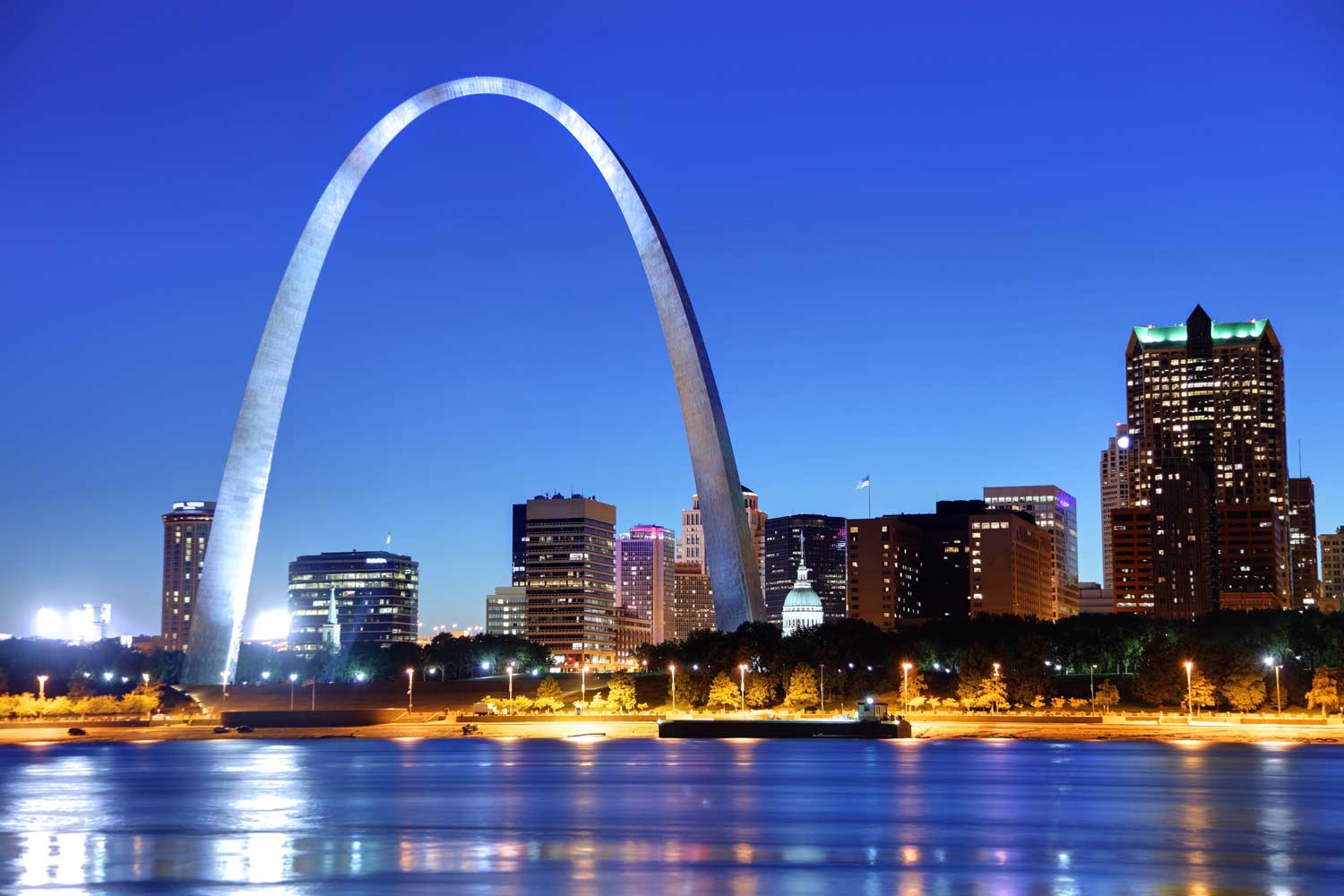
- A vibrant academic and clinical community in St. Louis, offering accessibility, cultural depth, diverse patient populations, and an excellent quality of life.
We are delighted that you are considering WashU Medicine for your fellowship training. We look forward to reviewing your application and learning more about your professional goals, interests, and vision for your career in pain medicine.
Please feel free to contact us with any questions about our program, training experience, or life in St. Louis.
Rajiv K. Shah, MD
Program Director, Pain Medicine Fellowship
Vinny Francio, MD, MS
Associate Program Director, Pain Medicine Fellowship
Fellowship training may include rotations in psychology, toxicology, neurology, physical therapy, physiatry, palliative care, and/or other rotations. We currently have 17 faculty members with proficiency in a wide variety of skills. This high faculty-to-trainee ratio allows us to provide intensive, individualized training to maximize each fellow’s experience.
| Inpatient Acute Pain Service (APS) Location: Barnes-Jewish Hospital |
| Inpatient Chronic/Cancer Pain Service (CCPS) AM: Outpatient Chronic Pain PM: Rounding with Inpatient CCPS Location: Barnes-Jewish Hospital |
| Outpatient Chronic Pain Location: Barnes-Jewish Center for Advanced Medicine, Barnes-Jewish West County, and Missouri Baptist Hospital |
| External Rotations: Physiatry: 8 days with PM&R faculty Neurology: 6 half days with Neurology faculty Toxicology: 1-2 days with EM toxicology faculty Anesthesiology: 2 weeks with OR anesthesiologist Palliative Care: 1 week with Palliative Care Medicine Faculty Pediatric Pain: 2-3 days with Pediatric Pain faculty Location: Barnes-Jewish Hospital and St. Louis Children Hospital |
Our didactic is designed for pain board preparation and to enhance clinical learning. The didactic is structured as a monthly theme, topics include:
- Foundation of Pain Medicine
- Basics of Diagnosis and Image Guidance in Pain Medicine
- Acute Pain Medicine
- Business of Pain Medicine
- Cancer Pain Medicine
- Musculoskeletal and Joint Pain
- Neuromodulation, and Minimal Invasive Treatment of Neurogenic Claudication
- Peripheral Nerve Blocks for the treatment of pain
- End of Life Pain, Migraine Headache
- Small Fiber Neuropathy
Lectures are on Tuesday nights from 5-6 p.m.
Monthly Cadaver Session: Monthly “hands-on” cadaver lab sessions provide excellent opportunities for practicing techniques of interventional pain medicine.
Weekly Seminar: Every Thursday morning from 6:30-7:30 a.m. we have our weekly seminar. Invited guest speakers will give lectures on various topics to enhance fellow’s education.
Multidisciplinary Pain Meeting: Every Thursday morning from 7:30-8:30 a.m. we have our weekly multidisciplinary meeting. During this meeting, there will be pain psychologists, physical therapists, clinical pharmacologists, and our interventional pain physicians; together we will discuss complex patient cases. Once a month our colleagues in neurosurgery join us for a combined Pain-Neurosurgery conference. Fellows will have opportunities to learn multidisciplinary care approaches to chronic pain medicine.
Journal Club: Every Friday morning from 6:30-7:30 a.m. we have our journal club which is presented by our anesthesiology residents. Two to three times a year we have a joint journal club with neighboring Midwest academic pain medicine fellowship program to discuss novel interventions in pain medicine and clinical applications. Journal club is designed to dive deeper and from multiple angles into evidence-based pain treatments.
Quality Improvement Project: All fellows participate in a mentored quality improvement project. The trainees will work together with a faculty mentor to come up with a question, develop a study plan, and collect data to answer the question. This is a year-long project.
Surgical Skills and Suture Lab: All fellows will have a group surgical skills lab with a senior surgery resident, and then each fellow will have a one-on-one additional suture lab. Of course, all trainees will be trained in surgical techniques during their surgical cases with our interventional pain faculty. In addition, fellows are encouraged to attend industry sponsor cadaver trainings.
| Neuromodulation: |
| Peripheral Nerve Stimulation: trial and permanent implantation DRG Stimulation: trial and permanent implantation Dorsal Column SCS: trial and permanent implantation Restorative Neurostimulation Intrathecal pump trial and pump implant |
| Minimal Spine Surgery: |
| Minimally Invasive Lumbar Decompression (MILD) Vertebroplasty and bone biopsy Kyphoplasty/vertebroplasty Basivertebral Nerve Ablation Sacro-iliac joint stabilization/fusion |
| Neuraxial Procedures: |
| Epidural steroid injection: caudal, lumbar, thoracic, and cervical Selective nerve root blocks: lumbar, thoracic, and cervical Epidural blood patches Medial Branch Nerves Blocks Sympathetic nerve block Ganglion Impar Superior hypogastric nerve plexus block Lumbar Sympathetic nerve block Celiac plexus block Stellate ganglion nerve block Sphenopalatine Ganglion block Gasserian Block Joint Procedure Bursa Injection Minor and Major Joints injection: Anatomical landmark, ultrasound, and fluoroscopy guidance Radiofrequency ablation of shoulder, knee, and hip Spine Joint Procedure Facet Joint injection Radiofrequency Ablation: medial branches of cervical, thoracic, lumbar, and lateral branches of the SI joint. Targeted Drug Delivery Therapy Intrathecal pump trial Intrathecal pump implant Nerve blocks Occipital nerve block Trigeminal nerve block Medial branch nerve block Suprascapular nerve block Intercostal nerve block PEC I/II block TAP Block Erector Spinae Plane Block Ilioinguinal/iliohypogastric nerve block Genitofemoral nerve block Lateral femoral cutaneous nerve block Infusion and Other medication Therapy Lidocaine infusion Topical 8% capsaicin (Qutenza) |
Stipends (July 1, 2026-June 30, 2027)
| PGY Level | Annual Stipend |
| PGY 1 | $71,239 |
| PGY 2 | $74,399 |
| PGY 3 | $77,597 |
| PGY 4 | $80,895 |
| PGY 5 | $84,439 |
| PGY 6 | $88,091 |
| PGY 7 | $91,618 |
| PGY 8 | $95,032 |
| PGY 9 | $99,151 |
Discretionary Fund: $2,000 – for books and educational expenses
Benefits:
- Medical, dental, vision, and pharmacy insurance benefits
- Life, accident, and disability insurance
- Access to WUCare and Employee Assistance Program
- Departmental jacket
- ASRA membership
- 15 vacation days
- 5 meeting days
- iPhone provided for professional use during fellowship
- Non-clinical days
- Wellness resources and subscriptions