Our department strives to reflect the rich culture of the world around us. We are proactive in creating a welcoming and supportive environment.
As part of our quadripartite mission, our department is home to the Office of Professional Growth & Engagement (OPGE). OPGE is dedicated to cultivating an environment that values and recognizes the unique attributes of every individual, and where all members of our department and institution feel welcomed, included, and treated with respect.
Office of Professional Growth & Engagement
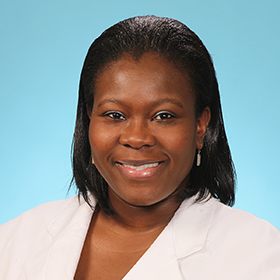
Enyo Ablordeppey, MD
Associate Vice Chair for Engagement and Culture
For ideas and opportunities related to culture, Contact Enyo.

Anne DeSchryver, JD
Executive Director of Business Operations
For operational support related to OPGE initiatives, events, and other opportunities, contact Anne.
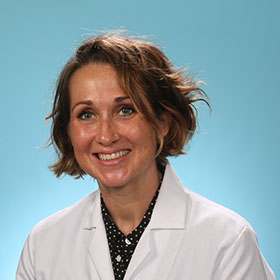
Erin
Herrera,
CRNA
Associate Vice Chair for Well-Being
For wellness, health, and well-being opportunities, contact Erin.

Rachel
Moquin,
EdD
Vice Chair for Academic Affairs and Professional Development
For professional development, education & faculty affairs initiatives, contact Rachel.
The Office of Professional Growth & Engagement is supported by a committee of dedicated faculty and staff who advance professional development, wellness, equity, and inclusion across our institution.
University Initiatives & Resources
University-wide programs and initiatives empower community members to drive change and foster an environment that is more equitable and welcoming to all. Explore the values, actions, and commitments of our institution and leadership below.
This office provides leadership, expertise, and advocacy on all diversity, equity, and inclusion efforts within the School of Medicine.
WashU aims to be a diverse community fully committed to the principles of equity, fairness and inclusive excellence so that we, collectively and individually, benefit from the rich perspectives and contributions of individuals from all backgrounds.
Learn more about our core values and how we are laying the foundation for a stronger, more equitable campus and community where everyone is welcomed, respected, and supported.
Support and resources for the mental and physical well-being of all WashU students, first-year through post-graduate.
PROUD-MED is an initiative supported by the ICTS and WashU Medicine to enhance underrepresented in medicine (URiM) faculty development by providing mentored clinical research training, dedicated Research Development Program (RDP) resources, senior faculty support, and group mentorship as a community to integrate with institutional programs.
A student-run interest group at the School of Medicine dedicated to lesbian, gay, bisexual, transgender, and queer (LGBTQ+) identity and health.
OUTmed is an organization for LGBTQIA-identified faculty, residents, fellows, and staff at WashU Medicine. OUTmed is supported by the Department of Medicine and is open to members of the entire School of Medicine, regardless of departmental affiliation.
The center supports and advocates for undergraduate, graduate and professional students from underrepresented and/or marginalized populations, creates collaborative partnerships with campus and community partners, and promotes dialogue and social change among all students.
Created as the university’s primary forum for changing climate and culture. Houses diversity and inclusion resources, including training resources, support for campus affinity groups, and annual events and recognition ceremonies.
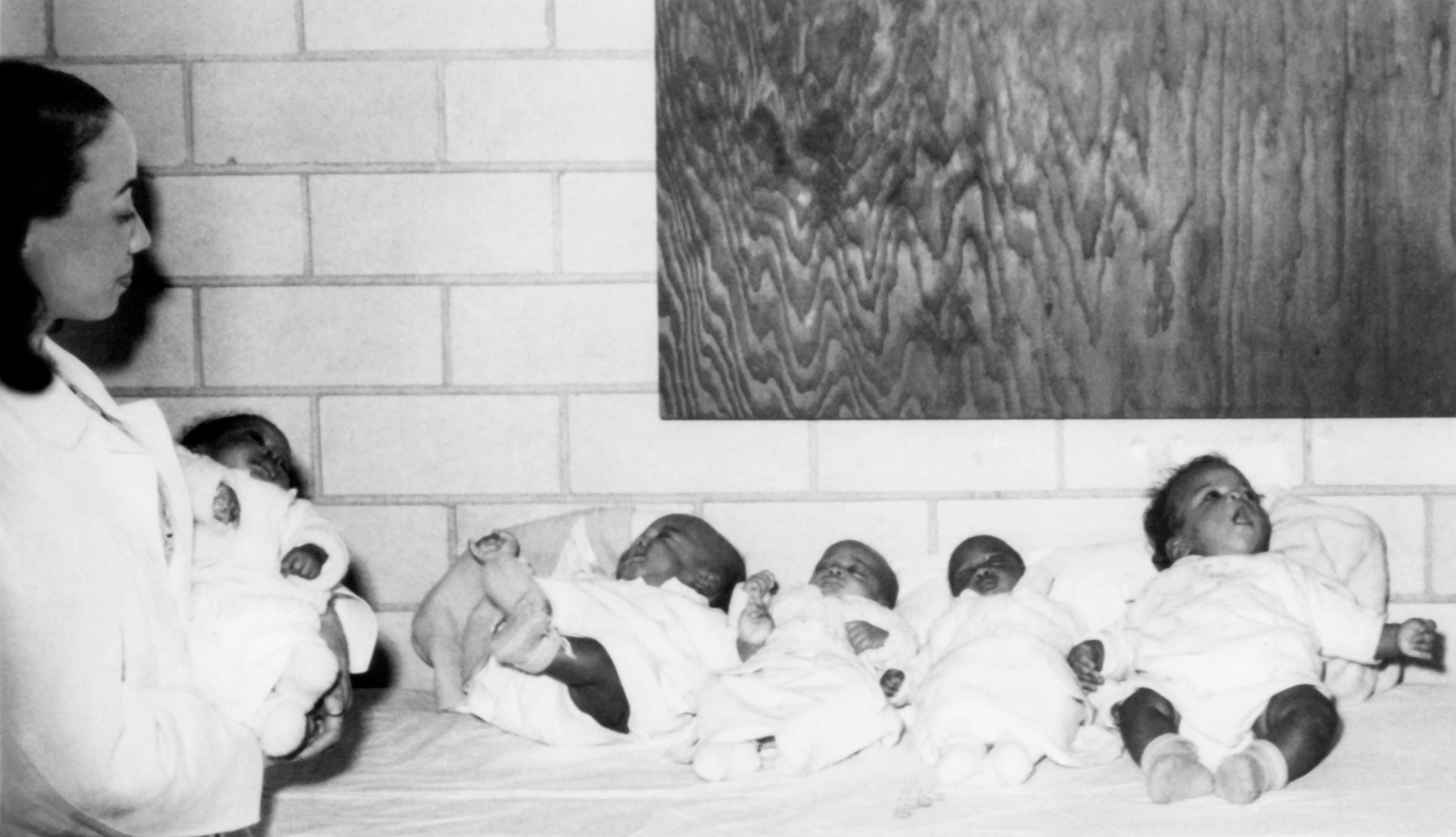
Desegregating the Medical Campus
A new permanent exhibit and website share the historical experiences of Black doctors, nurses, patients, students and staff on the Medical Campus. Its purpose is to acknowledge past injustices and serve as a reminder of our commitment to racial equity.
Honoring Heritage, Advancing Inclusion
Throughout the year, our department recognizes and celebrates six federally recognized heritage months, each offering us an opportunity to embrace the culture that makes us stronger. By focusing on these months, we aim to create intentional, meaningful celebrations that align with our commitment to professional growth and inclusion. You can expect additional opportunities to engage, learn, and connect as we continue to expand our efforts.
- African American History Month (February)
- Women’s History Month (March)
- Asian American and Pacific Islander Heritage Month (May)
- LGBTQIA+ Pride Month (June)
- Hispanic Heritage Month (September-October)
- Native American Heritage Month (November)
Upcoming Events
-
18 Sep
-
18 Sep
Beyond the six heritage months we officially recognize, we acknowledge that there are many other awareness months and causes our colleagues care deeply about. We invite you to share your ideas for future newsletter highlights, knowing that submissions will be reviewed to ensure alignment with our mission and values. You can submit ideas to Enyo Ablordeppey, at ablordeppeye@wustl.edu.
Training
Hosted by the office of Diversity, Equity & Inclusion at WashU Medicine, this series of four one-hour training sessions introduces participants to the fundamentals of Inclusive Excellence and creating a supportive culture. Employees are welcome to attend open sessions offered every other month. In addition, departments, programs and other business units may request group training.
Session 1: Awareness
Session 2: Understanding
Session 3: Commitment
Session 4: Action
The Equity-Centered Culture Change curriculum is a professional development program covering concepts related to addressing differential health outcomes and fostering health equity in the communities we serve. Tailored to the participant’s role and responsibilities, this curriculum is a deeper dive into the ways we can promote culture change to achieve health equity. While participation in this curriculum is voluntary, it builds on the foundational concepts covered in the Foundations of Inclusive Excellence training modules and therefore the fundamental courses are pre-requisites for the Equity-Centered Culture Change curriculum.
The Equity Champions program at WashU Medicine institutes department-supported faculty and staff positions to help facilitate the implementation of the Equity Centered Culture Change curriculum. The faculty and staff in these roles receive professional development to support their competency in leading discussions and training around equity and culture change within their departments. Champions serve a minimum two-year term, with the potential to be invited to continue.
Department of Anesthesiology Equity Champions:
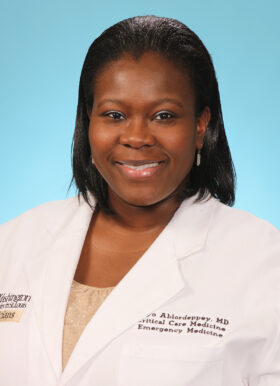
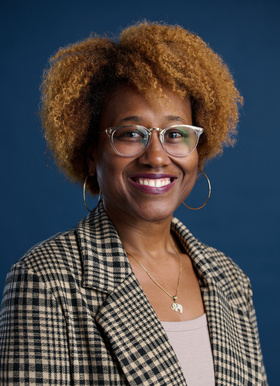
Enyo Ablordeppey, MD, MPH
Associate Vice Chair for Engagement and Culture
- Email: ablordeppeye@wustl.edu
Admin: Wendy Knirr
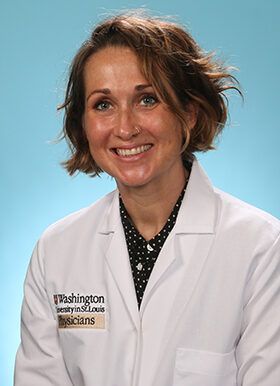
Erin Herrera, CRNA
Associate Vice Chair for Well-Being; Co-director for CRNA Activities
- Email: erinherrera@wustl.edu
Admin: Wendy Knirr

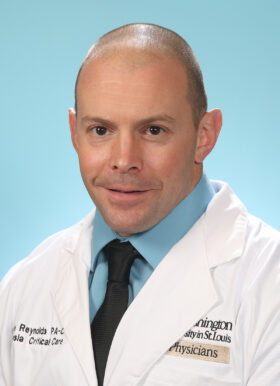
Shawn Reynolds, MSPA, PA-C
Co-Assistant APP Director, Critical Care Medicine
- Email: shawnreynolds@wustl.edu
Recent News
Ablordeppey obtains HEDIC certification to further strengthen diversity and inclusion in department
Department’s inaugural Spring Inclusion Symposium ignites commitment to diversity, equity, inclusion, and accessibility
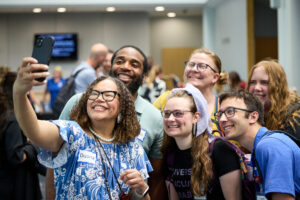
Foundation for Barnes-Jewish Hospital funds faculty projects focused on advancing equity and inclusion in health care