The Well-being Word

Associate Vice-Chair of Well-Being
Hi Friends!
One of the most powerful strategies to improve your well-being is spending time with the people who matter most.
Our social networks—which include our loved ones, families, friends, and colleagues—do far more than just keep us company; they provide essential support. They shape how we feel, how we function, and how we cope. When these connections are strong, they can be a buffer against stress and burnout. When they’re strained or neglected, the ripple effect can be profound.
The culture of medicine—built on long hours, unpredictability, and deep commitment to others—can make it hard to stay connected with the people in our own lives. While we may take pride in our professional sacrifices, the truth is, they often come at a cost.
A 2014 study of over 5,500 physicians with children revealed a striking contradiction: while nearly 86 percent reported being satisfied with their relationship with their children, nearly half also felt that their careers had a negative impact on that relationship.
We can’t always control the hours, the emergencies, or the cultural expectations baked into medicine, but we can be intentional about nurturing our connections outside of work. Saying yes to dinner with friends. Prioritizing vacations or time off that allow for real rest and reconnection. Even small moments like a phone call, coffee, or walk with a friend can recharge you more than you realize.
Spending time with people we love isn’t just “nice to have.” Studies consistently show that strong social connections are linked to better emotional health, lower stress, improved immunity, and even longer life. When we prioritize ourselves, we’re fueling ourselves so we can show up stronger, more present, and more whole in all areas of our lives.
This month, I encourage you to enjoy the wonderful pictures in our annual “Where in the World is WUDA?” feature. Take a look at the many ways our department members are spending time and creating memories with friends and loved ones. I hope that you see some of the fantastic activities and locations and find inspiration to plan new ways to connect! Do you see a great pic and want the details? Reach out and make a connection—everyone likes talking about their vacations!
I hope that you all had a wonderful and fulfilling summer and found new and exciting ways to prioritize connection!
Yours in Wellness,
Erin
Office of the Surgeon General (OSG). Our epidemic of loneliness and isolation: the U.S. Surgeon General’s Advisory on the healing effects of social connection and community. US Department of Health and Human Services. 2023. Accessed June 4, 2024. https://www.ncbi.nlm.nih.gov/books/NBK595227/
Karakash S, Solone M, Chavez J, Shanafelt T. Physician Work-Life Integration: Challenges and Strategies for Improvement. Clin Obstet Gynecol. 2019 Sep;62(3):455-465. doi: 10.1097/GRF.0000000000000442. PMID: 30950862.
What’s ahead?
- August 6 | State of the Department
- August 27 | The Inaugural William D. Owens Memorial Grand Rounds Lecture
- September 15 | Hispanic Heritage Month
Where in the World was WUDA this summer?


A Day in the Life of Arianna Montes de Oca, MD
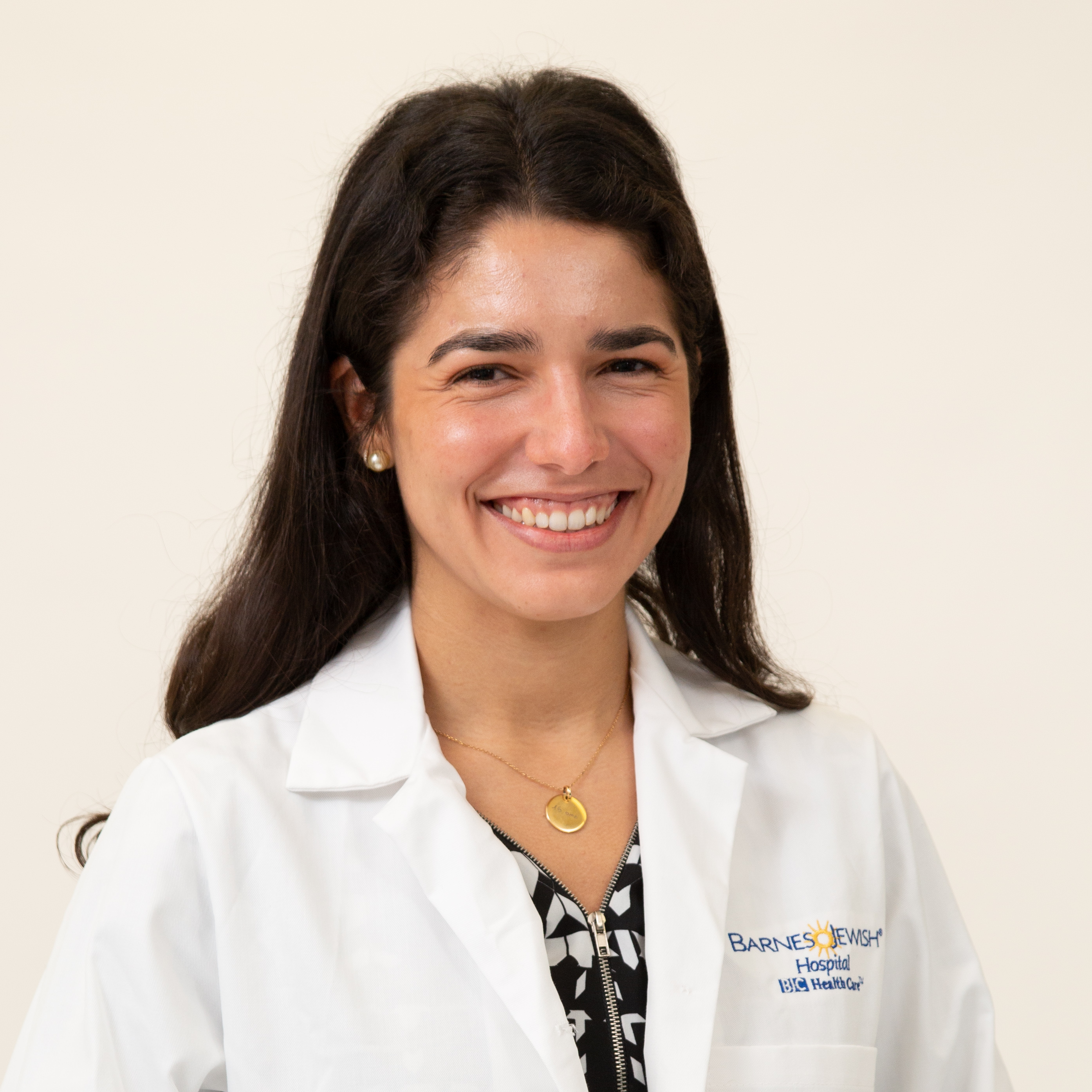
Chief Resident and CA-3 Arianna Montes de Oca takes us behind the scenes of her obstetric anesthesia rotation—a fast-paced block where no two days are the same. She also shares how she balances the intensity of residency with life at home alongside her husband, daughter, and their dog.

5:40 AM — The day starts early with coffee brewing and lunch prep underway. While I pack meals, my husband takes our dog, Lara, out for her morning stroll. Around 6:15 a.m., our daughter, Alana, usually wakes up (sometimes earlier, but she patiently waits for her morning hug — see photo for proof of her sweetness!). That hug fuels me for the day ahead.
6:30 AM I hop on my bike and head to the hospital. It’s a refreshing way to start the day, and a quiet moment before the whirlwind begins.
Morning in OB
OB anesthesia is beautifully unpredictable — every day writes its own story. Our mornings usually begin with:

- Checking our machines: First things first, we make sure our workstations are set, monitors are functioning, and everything is ready to safely begin.
- Dividing scheduled cases: Once we’ve mapped out the day’s C-sections and scheduled cases, we divvy up the responsibilities.
- Post-op rounds: These are especially on patients recovering from C-sections or complex deliveries. We assess pain control, block efficacy, mobility, and watch closely for any red flags.
- Placing epidurals: This can happen quickly or take finesse depending on anatomy, urgency, and patient comfort. Some are straightforward, others make you reach for every trick in the book.
- Managing C-sections: Whether scheduled or urgent, C-sections involve a lot of coordination in terms of timing, ensuring appropriate anesthesia plans (spinal, CSE, or general anesthesia) and jumping in when plans change.
- Anesthesia consults: These occur often for high-risk OB patients — cardiac conditions, coagulation disorders, or tricky pain management needs.
Our team is a lively mix: two residents, a fellow or CRNA, and our attending. There’s always someone around to teach, learn from, or laugh with. When things slow down, we sneak in some education or take a well-earned snack break at the cafeteria.
4:30 PM The day winds down and the call team takes over, so I start to head home.
Evening Joys
Coming home to Alana’s excited face is pure magic. If the weather’s nice, we head out for a walk — Lara and Alana both love the fresh air.
Between 6–7 p.m., my husband and I tag-team workouts. We’ve got a Peloton in the basement for quick sessions, and when time allows, I hit the boxing gym for a longer, energizing workout.
7:00 PM Alana’s bedtime routine begins: bath, dinner, and snuggles. It’s a team effort — one of us handles baby duties while the other showers and preps dinner.
Meal prep saves us! Tonight’s dinner: leftover rice, air-fried salmon (seriously, best appliance ever), and a quick salad. We catch up over dinner… or sometimes just unwind with a TV show. Balance, right?
9:00–10:00 PM I wrap up the day by checking emails, reviewing cases for tomorrow (OB doesn’t staff cases the day before), and replying to texts I missed during the day.
10:30 PM Lights out. I’m usually asleep before my head hits the pillow.


“Grief is like the ocean; it comes in waves ebbing and flowing. Sometimes the water is calm, and sometimes it is overwhelming. All we can do is learn to swim.” – Vicki Harrison
In her July 2025 message for the Office of Education, Dr. Eva Aagaard reflects on the five stages of grief and how they show up in our professional lives. Drawing on the metaphor of learning to swim in rough waters, she offers practical tips for navigating difficult times with compassion, perspective, and resilience

The Well-developed Podcast — Six new episodes!
In July 2025, we release six fresh episodes diving into hobbies, coaching, trust, growth, conflict, and change.
When you’re not at your best, it’s hard to learn or perform well. The Well-developed Podcast offers a space to reflect, recharge, and explore how bringing your whole self to work can boost your personal and professional growth. Discover how your unique strengths, values, and preferences can support your well-being and development.
Have an idea for a podcast topic? Share your suggestions using the form at the bottom of our webpage. Thanks for influencing our podcast’s evolution!

Take 2 for the Team — Update!
Our peer-to-peer gratitude app, Take 2 for the Team, just got even better! The latest update adds all of our amazing anesthesia techs to the dropdown menu—making it easier than ever to recognize and thank them for their vital contributions.
This quick and easy platform encourages everyone in the department to take just two minutes out of their day to send a note of appreciation to a colleague. Accessible via the departmental INTRAnet, the app delivers your message of thanks straight to your teammate’s inbox.
Take a moment today to celebrate the people who help make our department a better place to work. A small gesture can go a long way.

PIA SAFE
PIA SAFE is a peer-based program in the Department of Anesthesiology designed to address concerns about negative behaviors, conflicts, and microaggressions experienced by department members.
Check out the PIA SAFE website or email Erin Herrera (erinherrera@wustl.edu) to learn more!

WUDA Supporting Parents Group
This program not only aims to foster a supportive and connected community for parents within our department, but also serves as a tool for others so they can stay up to date on key WashU/BJC benefits, policies, and more.
This group is dedicated to creating a resource hub and community where parents feel informed, empowered, and connected throughout their parenthood journey. We aim to provide easy access to information on all aspects of parenthood and to connect parents within our department.