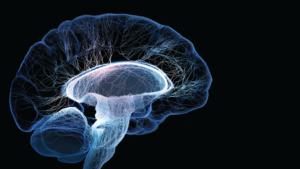
Mouse study finds changes to DNA packaging form molecular memory of trauma, make brain vulnerable to future stress.
How early-life stress leaves a ‘scar’ inside brain cells (Links to an external site)
Department of
Mouse study finds changes to DNA packaging form molecular memory of trauma, make brain vulnerable to future stress.
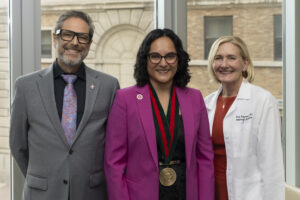
Dr. Amynah Pradhan was installed as the Russell D. and Mary B. Shelden Professor of Anesthesiology on Thursday, July 9, 2026.
Kannampallil recognized for expertise in AI-based technology designed to improve healthcare.
Dr. Richard Hotchkiss and Dr. John DiPersio co-authored a paper in the New England Journal of Medicine highlighting a promising strategy that could help improve the efficacy of cancer immunotherapies.
Dr. Ream Al-Hasani has received a $3.5 million grant from the National Institute on Drug Abuse within the National Institutes of Health (NIH) to study how exposure to opioids before birth affects long-term brain development and behavior.
From uncovering new biological targets for opioid addiction to developing safer chronic pain treatments, see how these innovators are transforming patient care.
Kathleen Bickel, MD, PhD, awarded one of four 2026 Mentored Research Training Grants from the Foundation for Anesthesia Education and Research.
WashU Medicine Anesthesiology researchers had an impactful presence at the American Headache Society (AHS) Annual Meeting, with major awards, national recognition, and multiple scientific presentations.
Dr. Simon Haroutounian was installed as the Russell D. and Mary B. Shelden Professor of Anesthesiology on Monday, June 1, 2026.
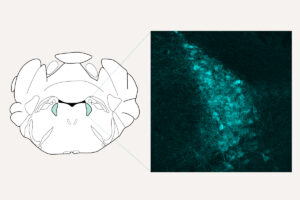
Aaron Norris, MD, PhD, an assistant professor of anesthesiology at WashU Medicine, has received a five-year, $3.5 million NIH grant to study brain cells that regulate how the body burns calories and could lead to new ways to promote weight loss.